
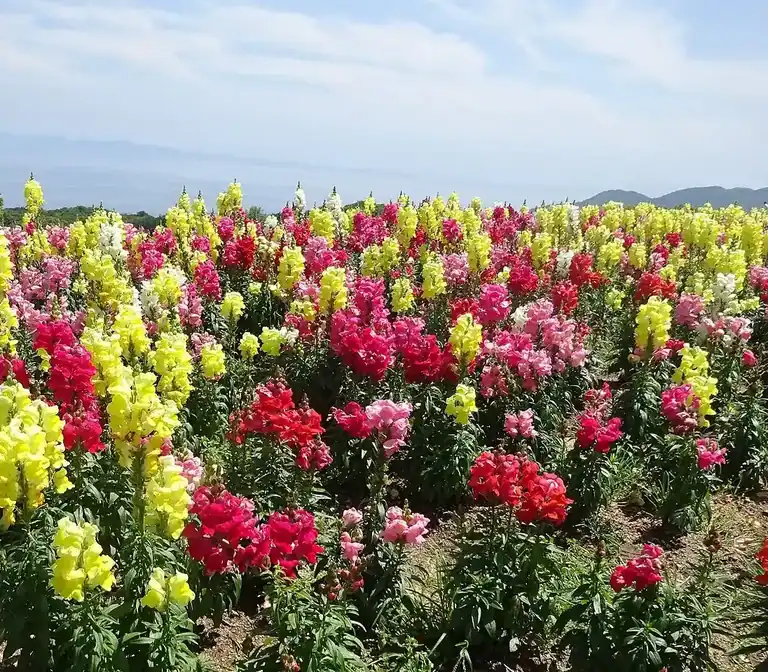
Awaji Island in Hyogo Prefecture connects Kobe with Shikoku. It brings together flower fields overlooking the sea, Tadao Ando architecture, anime attractions, the Naruto whirlpools, coastal sunsets and local food. For international visitors extending a trip from Osaka or Kobe, its appeal lies in the variety of experiences available on one island.
However, Awaji Island attractions are located in the north, central and south. The flowering period, tides, activity operations and the interests of fellow travelers will all affect the arrangement. First understand the characteristics of each area, and then decide which scenery you want to spend time on during this trip.
Awaji Island Through the Seasons
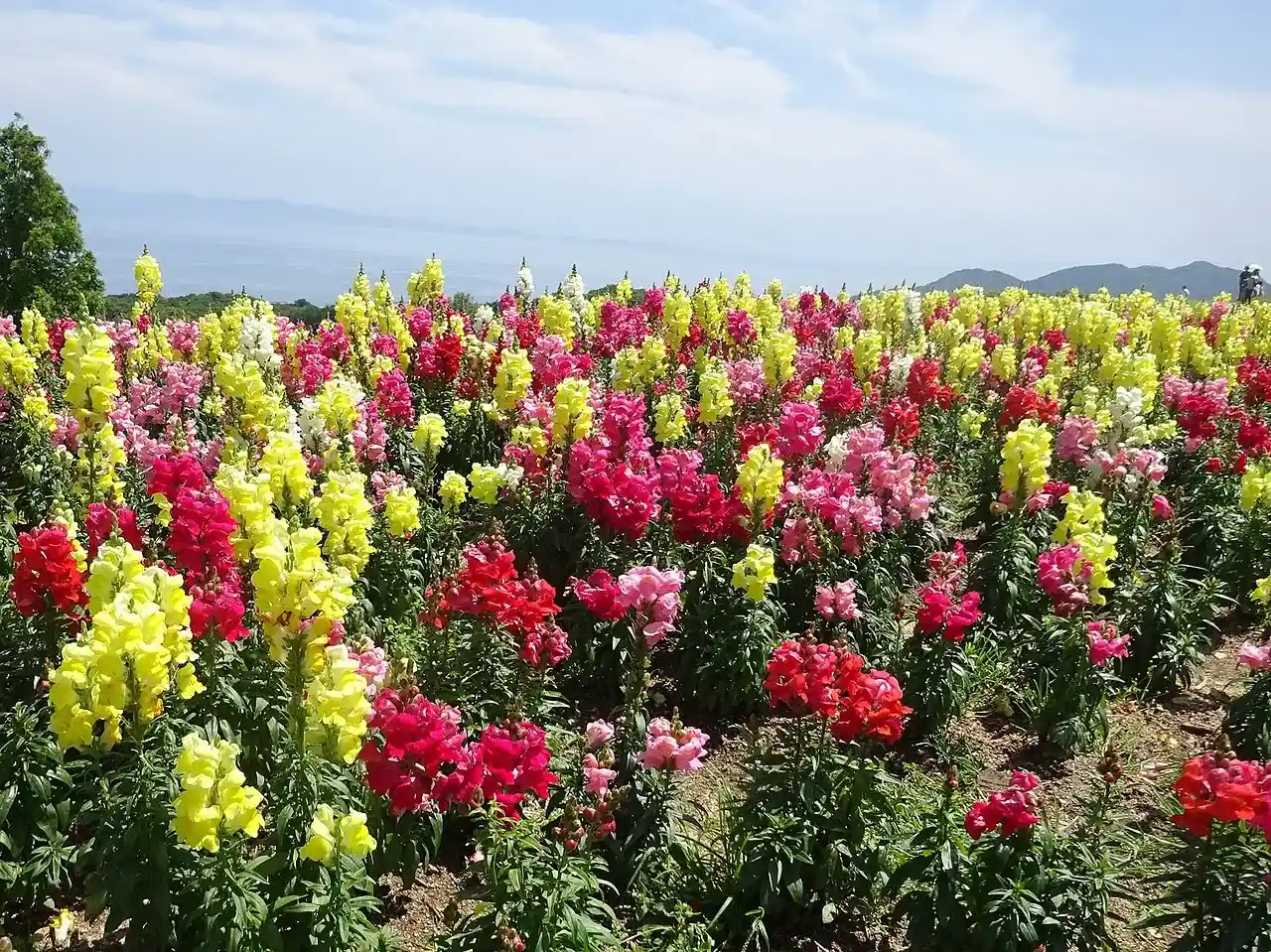
Spring is not the only time to visit Awaji Island. The spring and autumn are dominated by the sea of flowers, the summer is suitable for family facilities and coastal activities, and the winter is suitable for admiring daffodils and tasting seasonal cuisine. The following months are common viewing periods that can be referenced when planning, and are not fixed full opening dates every year.
| Season | Common flowers and scenery | Suitable for travel direction |
|---|---|---|
| Spring | March–May | Rapeseed flowers, Chinese violet and Iceland poppies; brightly colored flower fields | Couples, photography, intergenerational families |
| Summer | June–August | Globe amaranth, sunflowers and other summer flowers, with coastal views | family themed facilities and coastal experiences |
| Autumn | September–November | Sage, cosmos, buckwheat flowers and other autumn colors | Sea of flowers, architecture, comfortable outdoor relaxation |
| Winter | December–February | Hardy flowers, Minami-Awaji narcissus; winter seascape | Slow travel, architecture and seasonal cuisine |
If you regard the flower fields as the focus of your trip, it is recommended to use the flowering announcement of the year to determine the details; if you want to not be affected by the flower conditions, you can also match the architecture, sea views and indoor or themed facilities to make the travel content more balanced.
Awaji Hanasajiki: Flowers & Osaka Bay Views
Awaji Hanasajiki occupies the hills of northern Awaji, with expansive flower fields following the contours of the land. On clear days, views stretch across Osaka Bay. The appeal comes from the open combination of flowers, sky and sea.
Rapeseed flowers and poppies are common in spring, then bright flowers such as sunflowers turn to sunflowers in summer, and softer colors such as cosmos and sage appear in autumn. Even if there is no grand sea of flowers in winter, there is still an open scenery that is different from the warm season. Those who like natural light when taking photos can pay attention to the weather, cloud cover and flowering information of the garden on that day.
Fall 2026 Observations: During the autumn flower show, cosmos, sage and other flowers bloom at different stages in different areas. It is not advisable to go there in November and expect the entire flower field to bloom at the same time. You should first check the latest flower conditions at the garden. This kind of real-time information will be updated with the seasons, and the flower scenery of the four seasons is the core of the long-term visit here.
Northern Awaji: Architecture, Anime & Coastal Views
Awaji Yumebutai: Tadao Ando’s Architecture
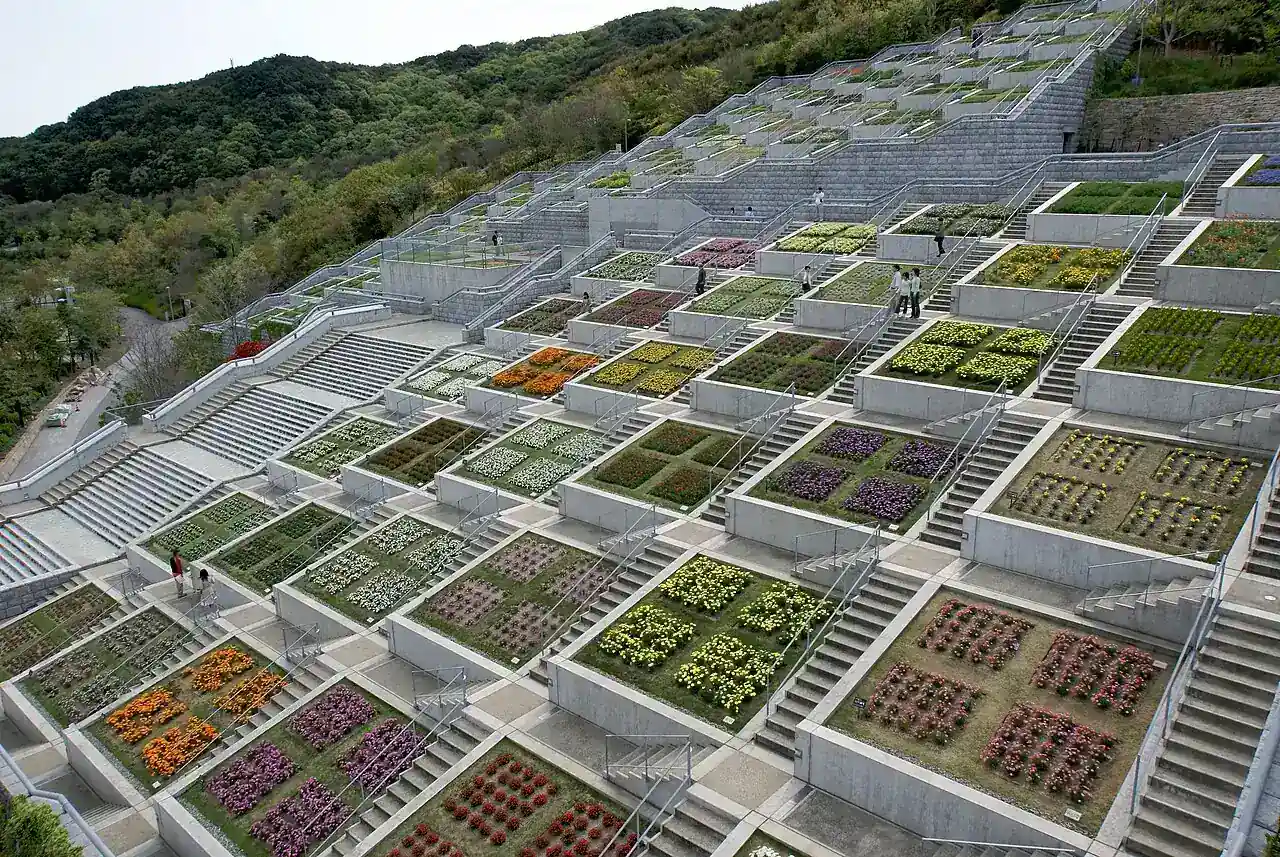
Awaji Yumebutai, designed by architect Tadao Ando, uses water molds, stairs, water features and atriums to echo the building and hillside terrain. Among them, "Hundred Section Garden" is a representative space: layers of flower beds, stairs and geometric lines, so that every time you turn around, you can see a different composition.
This is a great place for couples and small groups who enjoy design, photography, gardening or quiet relaxation. There are height differences in the park. If your companions are not suitable for walking a lot or going up and down stairs, you should adjust your stay when making arrangements.
Nijigen no Mori: Anime & Game Experiences
Nijigen no Mori combines a large park with anime and game-themed attractions, including Naruto/Boruto, Godzilla, Dragon Quest and Crayon Shin-chan. Activities differ by area, from interactive missions to more energetic experiences and character photo opportunities.
The most important things for family families to pay attention to are the age, height and physical limitations of their children; adult animation fans can decide which areas to participate in based on their favorite works. Popular areas and outdoor facilities may require a longer stay, so it is not advisable to treat them as just passing photo spots.
The current athletic and zipline attractions in the Crayon Shin-chan area ended operation on October 12, 2026, ahead of a planned renewal in spring 2027. Check Nijigen no Mori’s latest notices for each area’s operation, tickets and participation restrictions.
Akashi Kaikyo Bridge & the West Coast
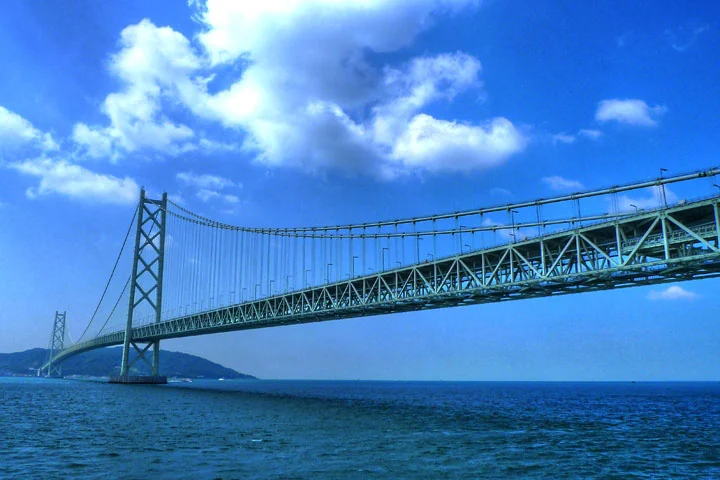
The Akashi Kaikyo Bridge connects Kobe and Awaji Island and is the most recognizable sea view when entering Kita-Awaji. The bridge spans the lines of the sea, forming a magnificent view of the coast, ships and the city in the distance. Some overlooking points are suitable for feeling the sea breeze and taking pictures of the bridge for a short period of time.
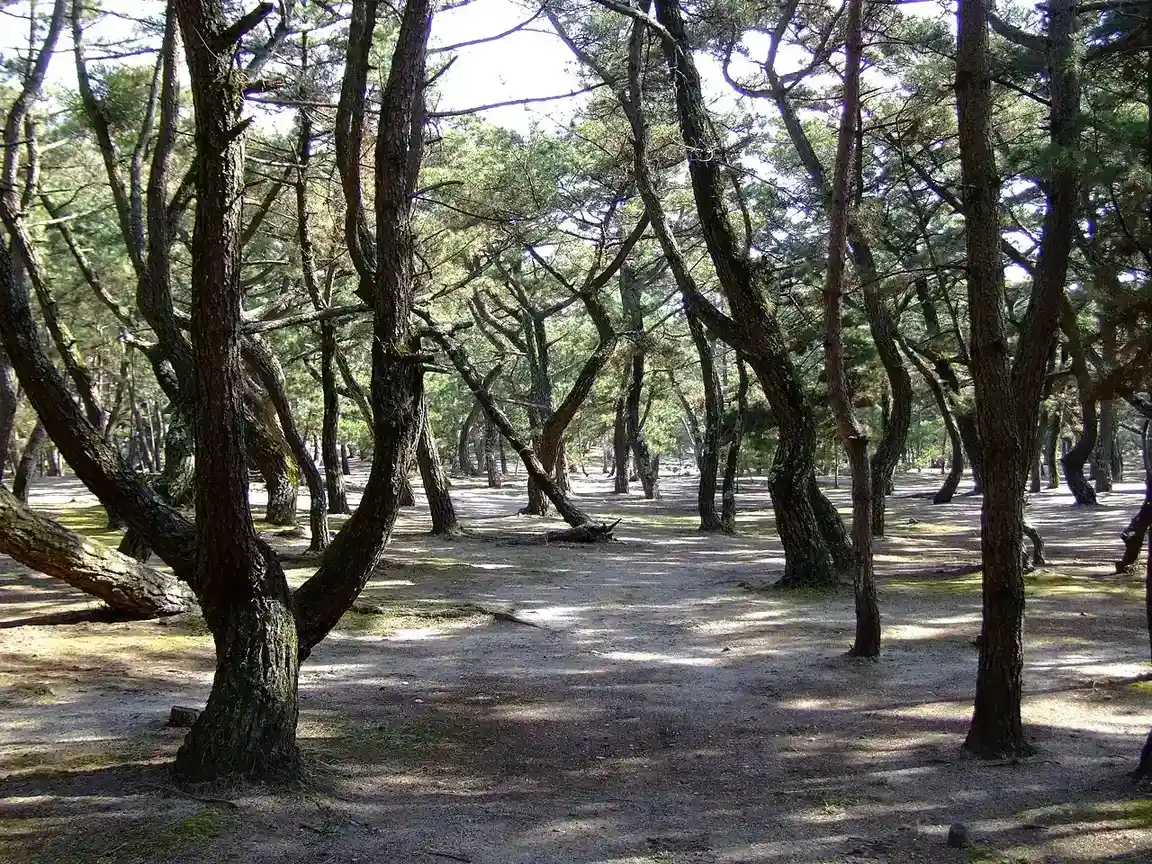
Stretching towards the west coast of Awaji Island, the coastal atmosphere changes to a more relaxing sunset view. Keino Matsubara is famous for its seaside pine forests and sunsets. It is suitable for travelers who are not in a hurry to catch the attractions and want to spend time by the sea. The position and time of sunset will change with the seasons, and the weather on the day should also be taken into consideration.
Southern Awaji: Whirlpools, Daffodils & Farm Activities
Naruto Whirlpools: Timing Your Visit with the Tides
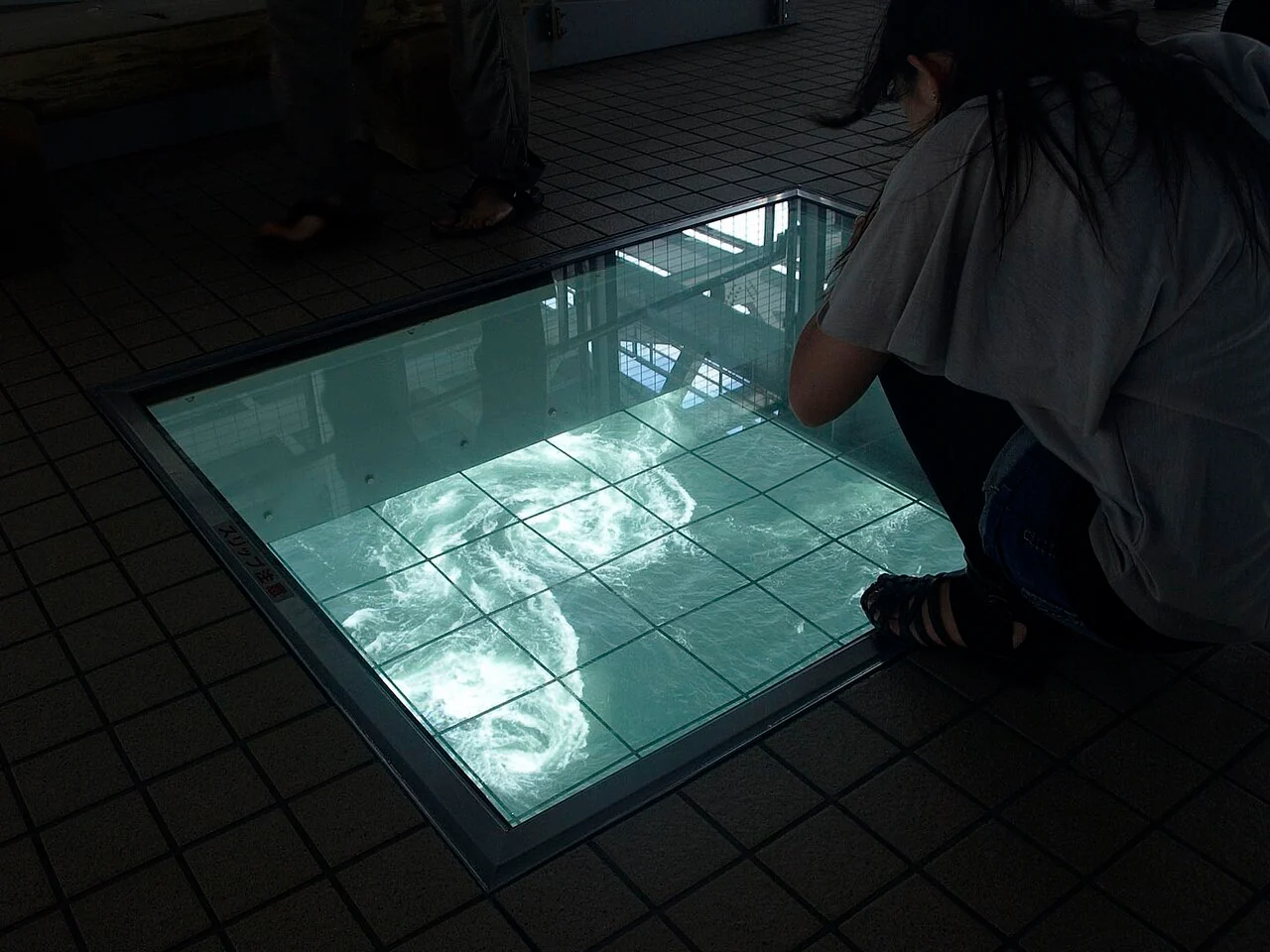
The Naruto Strait between the south side of Awaji Island and Shikoku has famous whirlpools caused by the difference in tidal levels when the seawater enters and exits the Seto Inland Sea. You can take a tide-watching boat from Minami-Awaji Fukura area to experience the current of the strait from a perspective close to the sea surface.
Whirlpool size and visibility depend on tides, the season and sea conditions. If this is a highlight of your trip, start with the cruise operator’s recommended tidal times, then fit other southern Awaji activities around them. Consider seasickness and the needs of older companions as well.
Nada Kuroiwa Suisenkyo: Winter Daffodils Above the Sea
Nada Kuroiwa Suisenkyo on the slopes of southern Awaji offers a winter flower experience distinct from Awaji Hanasajiki. Daffodils usually bloom from December into January or February, with white flowers set against the sea.
The daffodil garden has slopes and stairs, so consider your group’s walking ability. Access to a lookout outside the flowering season does not mean daffodils bloom year-round. Confirm seasonal opening arrangements and flowering updates before planning a winter visit.
England Hill: Animals & Farm Experiences
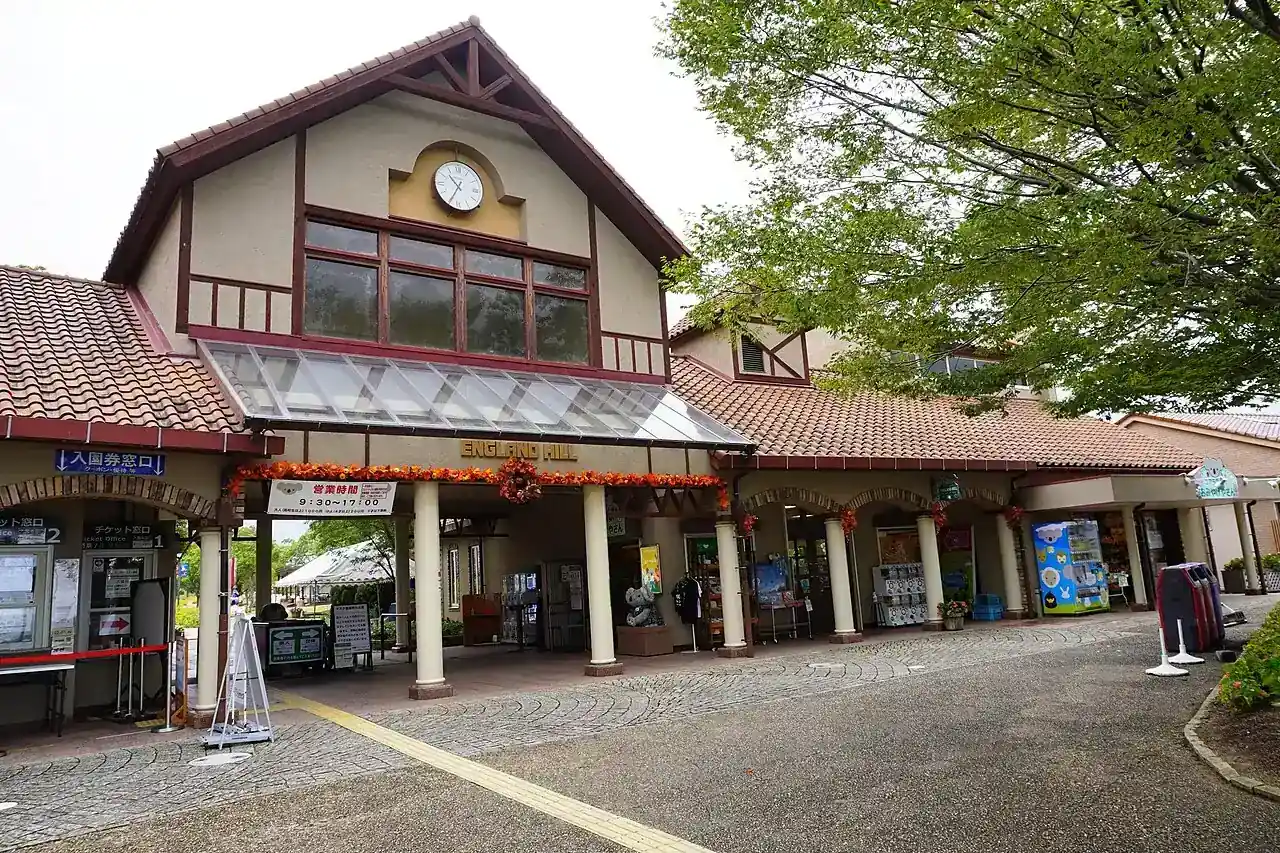
Awaji Agricultural Park "England Hill" combines animals, seasonal flowers and agricultural experiences, forming two different family options with Animation Park in Kita-Awaji. Families who like animals and nature activities can slow down their pace here; if their children are more interested in anime and games, they may prefer Nijigen no Mori.
Activities vary with the season, daily program and reservation availability. Check the experiences your children are most interested in before visiting, so you can plan time and avoid disappointment.
Local Food to Try on Awaji Island
Awaji’s food reflects both its agriculture and surrounding seas. Choose meals around the season, your companions and the day’s route, rather than focusing only on one well-known restaurant.
- Awaji Island Onions: Loved for its sweet and juicy taste, it is commonly used in soups, burgers, grilled foods and various onion dishes.
- Awaji beef: Roasted meats, steaks or set meals can be arranged, suitable for couples and small groups who want to have a full meal time.
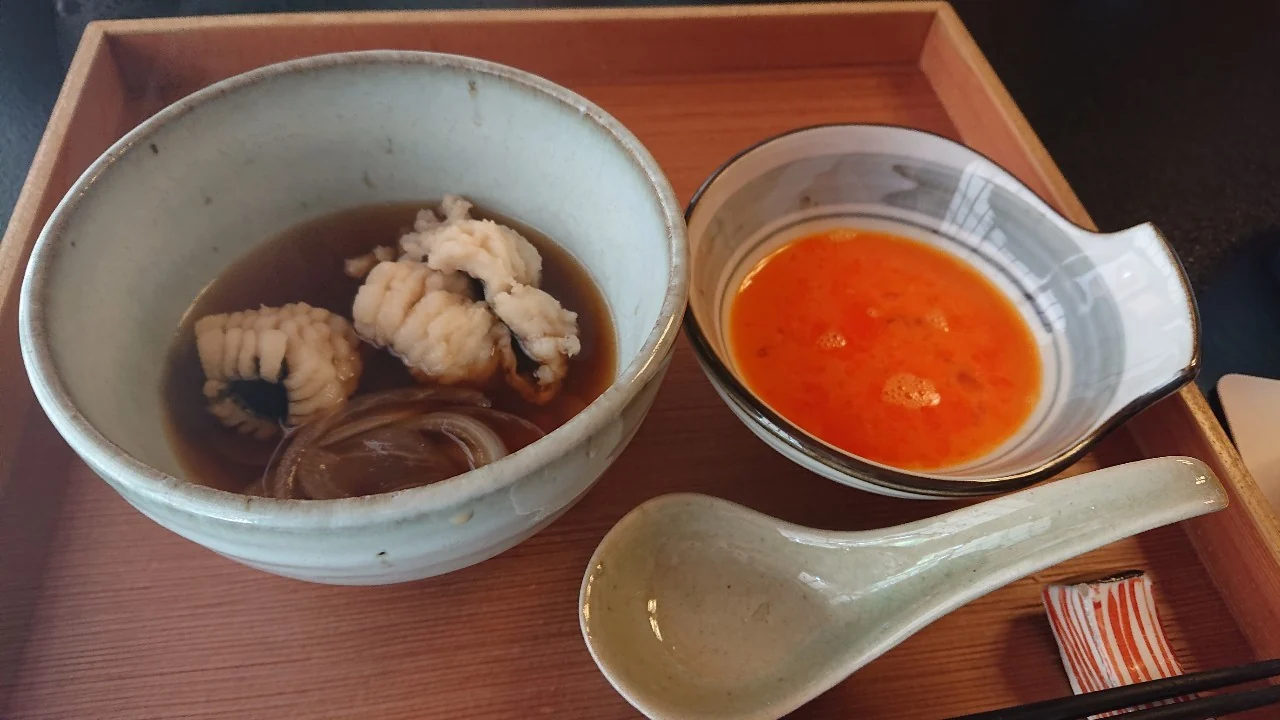
- Summer hamo (pike conger): Hamo (pike conger) cuisine is one of Minami-Awaji’s representative seasonal delicacies, and is commonly found in summer banquets and local restaurants.
- Three-year tiger puffer fish in winter: Minami-Awaji's winter specialties are suitable for food-themed travelers who want to deeply experience the local seasonality.
Choosing Experiences for Your Group
| Travelers | Prioritized experiences | Key points when arranging |
|---|---|---|
| Families with children | Nijigen no Mori, England Hill, seasonal flower fields | Age of child, activity restrictions, rest and meal rhythms |
| Couples | Hanazushiki, Awaji Yumebutai, West Coast sunset, special cuisine | Light, seasonal atmosphere, and free stay time |
| friends/small groups | Animation theme, sea view, tide watching experience, local food | Differences in member interests, reservations and moving distance |
| Corporate/Incentive Travel | Representative attractions, group meals, and interactive experiences | Number of people, gathering and time management, rainy-day alternatives |
Planning Around Awaji’s Dispersed Attractions
First, decide on the theme first and then choose the attractions. North Awaji is easier to combine flowers, architecture, animation and bridge views; South Awaji is where you can experience tide watching, daffodils and farms. If you want to schedule all attractions on the same day, you will often compress the time to truly enjoy the scenery.
Second, confirm the time that cannot be freely adjusted first. For example, tide-watching boats need to match the tide, animation facilities have operating hours and experience restrictions, and winter daffodils and autumn flower fields are affected by flower conditions. These conditions are more worthy of confirmation than the "number of attractions".
Third, consider the fitness of your fellow travelers and the purpose of your trip. The height difference of Tadao Ando's buildings, coastal winds, the amount of activities in outdoor parks, restaurant reservations and group gatherings may all affect the quality of the journey. Awaji Island is particularly suitable for integrating sights, experiences and meals into a well-paced one-day or multi-day trip.
Shape an Awaji Visit Around Your Interests
The value of Awaji Island does not lie in checking in the most attractions, but in arranging an island trip that suits you according to the season and tourists’ interests. From the sea of flowers in spring and autumn, family interactions in summer, to daffodils and local cuisine in winter, there are different reasons to visit again in every season.
If you are planning a trip to Kansai that extends from Osaka and Kobe, or want to arrange family, small group, or corporate travel, TUKISUMI can help discuss customized itineraries for Awaji Island based on your travel companions, travel season, and desired experience. Welcome to TUKISUMI Japan to discuss your plans.
Official information: Awaji Hanasajiki: Flower Updates · Nijigen no Mori: Operating Information